
By Sergio Durante
Involuntary Luxury – When the Real Starts to Look Fake… and How to Reclaim the Truth
The paradox of modern luxury: when even the most authentic object is indistinguishable from a replica, and value dissolves into doubt. A reflection — and a proposal — for true luxury makers, collectors, and visionaries.
The Collapse of Perception
There was a time when wearing a Rolex or stepping out of a Ferrari was enough to tell the world who you were. True luxury spoke for itself. It was a social code — visible, undeniable. But today, in a world where copies are perfect and everything is replicable, the original item has lost something sacred: the certainty of perceived superiority.
The Crisis of Luxury as a Symbol
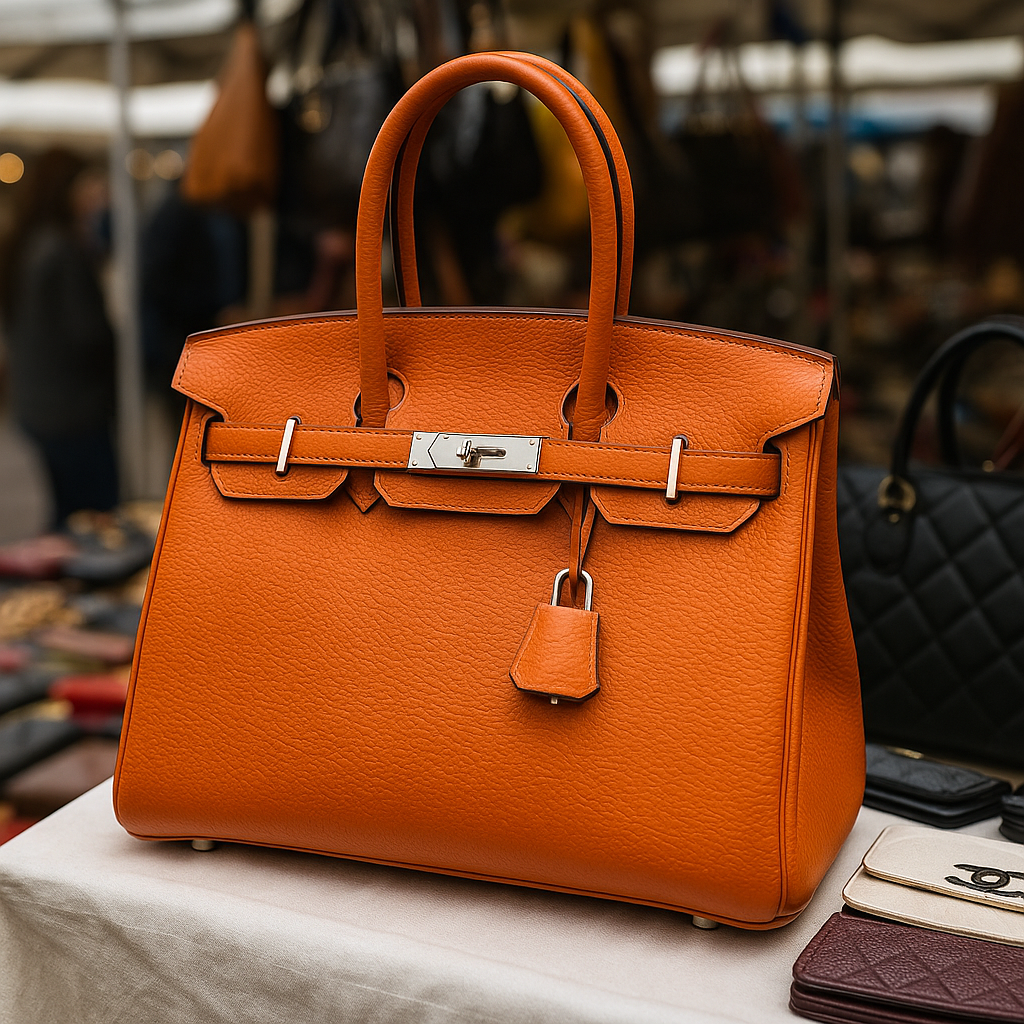
Luxury was born to distinguish. Now, without the certainty of visible authenticity, luxury becomes involuntary. You may own an F50, a crocodile-skin Kelly, or a Royal Oak… but if others think it’s fake, the social effect disappears.
The Industry’s Quiet Secret
Here’s the irony: some fakes are produced in the very same districts as the originals. Global manufacturing has blurred the line between genuine and clone. Many components of Swiss watches, French luxury bags, and Italian supercars are made in China, Vietnam, or Tunisia. Legally, all it takes is assembly and quality control in Europe to earn the “Swiss Made” or “Made in Italy” label.
“What if what I paid so much for is just a well-branded illusion?”
The Emotional Trap of Luxury Consumption
When buyers realize — or even just suspect — that what they’ve purchased as “pure” is actually an industrial performance wrapped in a story, a deeper psychological shift begins. They’ve paid for the myth of the French artisan, the Swiss watchmaker, the Italian tailor. And yet, they sense that much of it might be legal fiction: cleverly constructed, but not always truthful.
This creates cognitive dissonance. What they thought they owned is no longer what they emotionally perceive. The act of purchase, once a point of pride, is now tinged with ambiguity and doubt.
They start to wonder:
- “What if this is visually indistinguishable from a fake?”
- “What if people judge me, thinking I’m wearing a replica?”
- “What if what I paid so much for is just a well-branded illusion?”
The status effect breaks down. Luxury no longer elevates — it exposes. It no longer defines — it destabilizes. The object no longer validates ownership — it questions the identity of the buyer.
The Material – The Last Bastion of Authenticity (But Not For Long)
When design can be copied and provenance manipulated, the only remaining proof of luxury lies in the material itself.
Steel, gold, diamonds, carbon fiber — physical elements that should still distinguish a luxury item from a fake. But even here, the boundary is dangerously thin.
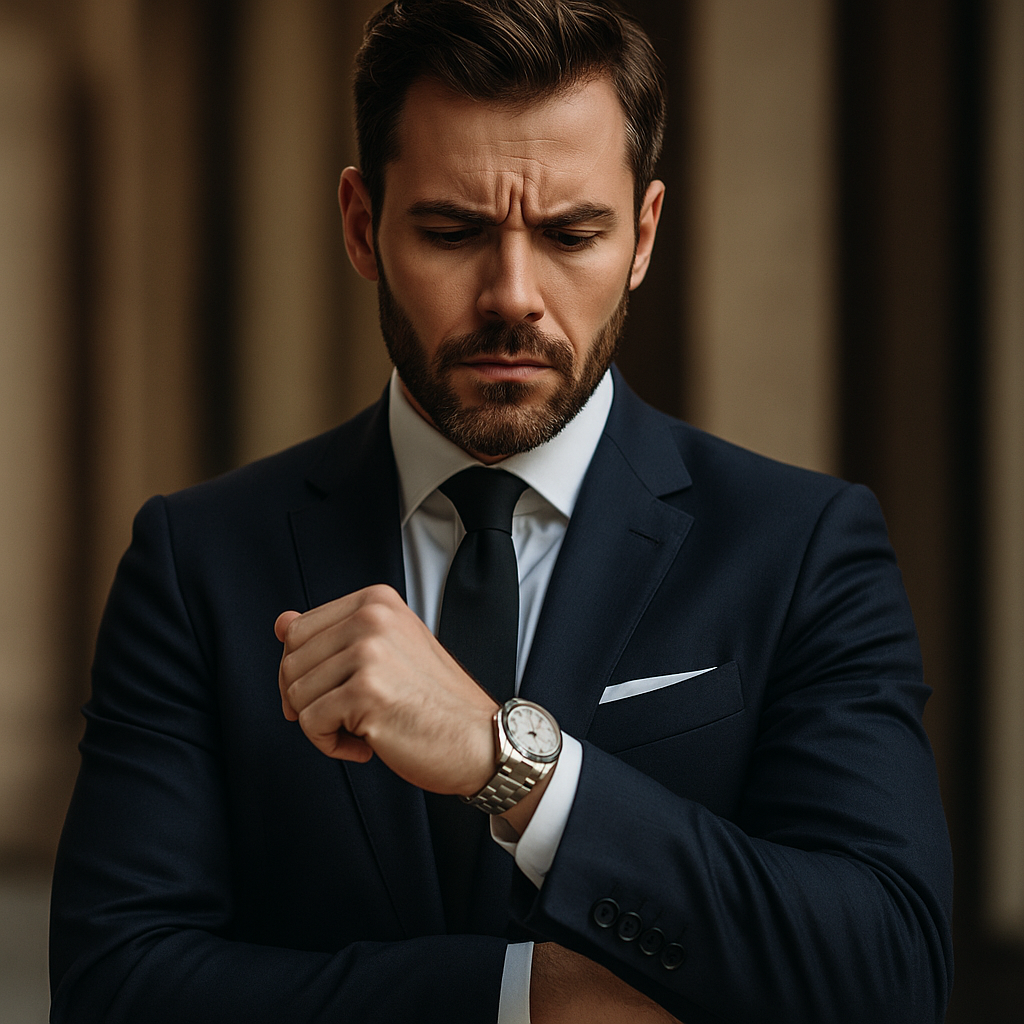
A stainless steel watch, even if genuine, is visually indistinguishable from a high-quality replica. Only in gold or rare metals do differences in weight, tactile temperature, or electromagnetic properties begin to emerge — and even then, not always conclusively.
And let’s not forget: materials can also be faked. Technologies like CVD (Chemical Vapor Deposition) now allow the creation of lab-grown diamonds that are chemically and visually identical to natural ones — at a fraction of the cost. The same is true for rubies, sapphires, and emeralds.
An item may be “real” in substance, but not natural. And for many consumers, the line between “natural” and “perfectly manufactured” is unclear — and rarely disclosed.
Today, even the material loses its power as proof. Only transparency about origin can make a difference.
Authenticity as the New Luxury
The next true luxury won’t be about the object itself, but about traceability — and declared truth. A titanium watch made in Japan, if openly stated, is more authentic than a fake “Swiss Made.” A handcrafted shoe made in Puglia from Tuscan leather is more luxurious than a mass-produced one with a famous logo.
The new elite won’t care just about brand or prestige — they’ll care about who made what, where, and why. Luxury will return to being about awareness, not appearance.
Conclusion
We live in the age of involuntary luxury — where owning the real no longer guarantees being seen as such. Where appearance is so well fabricated that it confuses even the truth.
But perhaps from this confusion, a new form of luxury will emerge: one that doesn’t need to shout, but simply tells the truth.
How We Help Brands Return to Real
At SergioDurante.com, we don’t just analyze this transformation — we engage with it.
As engineers, collectors, and advisors deeply rooted in both heritage and innovation, we work with brands, artisans, and manufacturers who want to reclaim the essence of true luxury.
We help reestablish credibility, traceability, and emotional value in products that have lost direction in the fog of globalization and marketing overreach.
Whether you’re a legacy maison or an emerging high-end manufacturer, we can help you reconnect with what matters: substance, story, and soul.
Because in the age of doubt, luxury needs truth.