


Self-Healing Materials
By Sergio Durante
“What if your car could heal its own scratches? What if aircraft panels could repair themselves after microdamage, reducing maintenance and improving sustainability?
We are exploring this future — and it’s much closer than it seems.”
For decades, we’ve imagined artificial intelligence as something cold, alien, and disconnected from human intuition. But what if the real breakthrough isn’t replacing the human mind — but enhancing it?
1. Rethinking Materials: From Passive Structures to Active Skins
For decades, materials in mobility and aerospace have been judged by strength, stiffness, and weight.
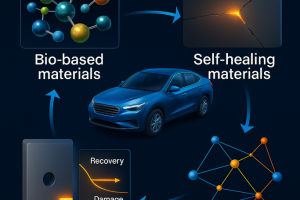
Today, a new generation of smart bio-nanocomposites is emerging — capable of adapting, reacting, and even healing under stress.
Our research focuses on self-healing surfaces and structural components designed for next-gen vehicles, both on Earth and in orbit.
These materials are not only lightweight and resistant, but they are capable of restoring microdamage, eliminating the need for repainting, reducing lifecycle waste, and extending component lifespan.
2. How It Works: Healing Without Human Intervention
The self-healing process we’re studying is based on a bio-inspired mechanism:
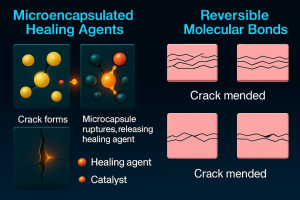
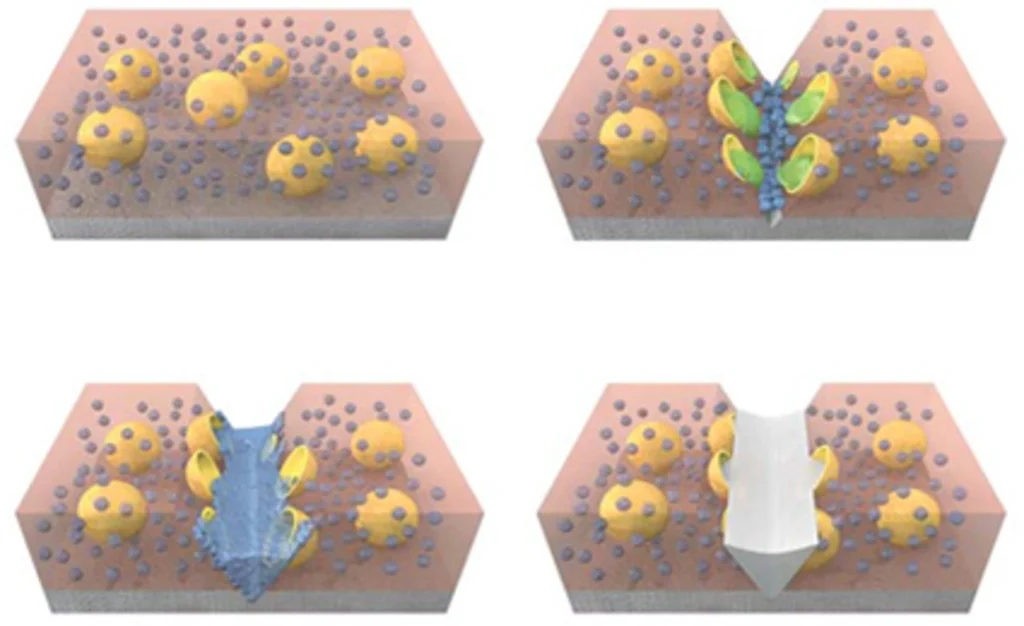
• When micro-cracks or scratches occur, embedded healing agents (like microcapsules or vascular channels) activate.
• Triggered by external factors (UV, temperature, pressure), the system releases repair compounds that reseal the damaged area.
• The result is a restored surface, both aesthetically and functionally, without external repair.
🧠 And it doesn’t stop there: the next generation will log damage and healing cycles, creating a live material twin accessible by diagnostics systems.
3. Goodbye Paint Shops, Hello Functional Surfaces
One of the most disruptive outcomes of this technology?
Eliminating the painting process for exterior vehicle parts.
We are developing glossy, paint-free, self-repairing outer skins, especially for automotive components like:
• Pillars and trims
• Bumpers and spoilers
• Aero-fairings and lightweight covers
No more VOC emissions. No costly rework. No aesthetic degradation over time.
These materials self-correct under thermal or UV activation, bringing the surface back to its pristine form.
4. Intelligence Inside: Digital Twins of Materials
We’re not just creating better materials — we’re creating materials with memory.
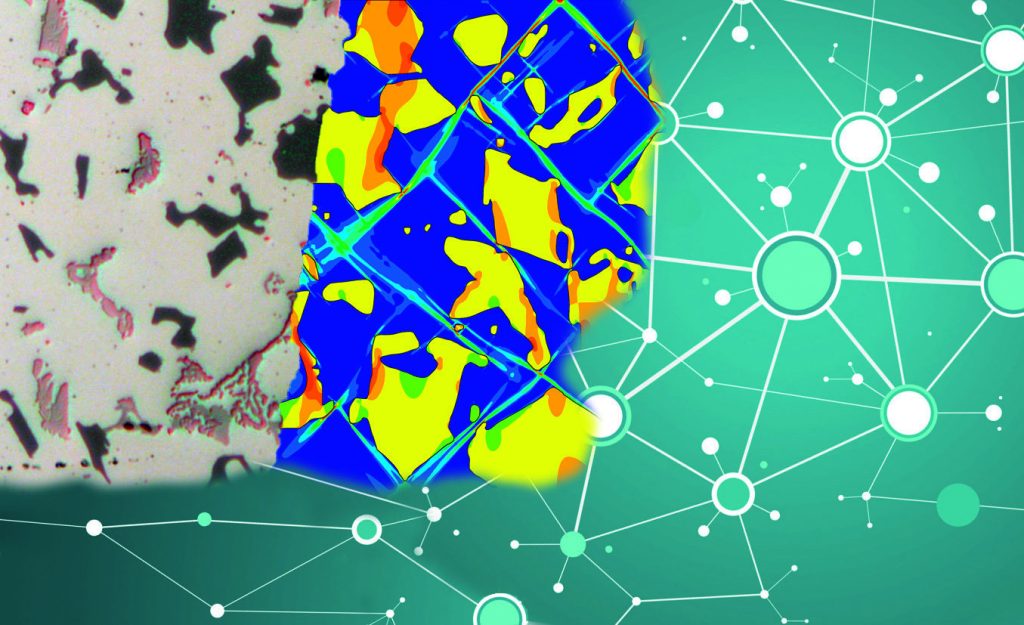
Each new composite we design is coupled with a digital model that simulates:
• Mechanical fatigue
• Environmental stress (e.g. salt spray, UV, ice)
• Impact resistance
• Healing cycles and durability over time
These simulations allow for real-time adaptation in design, AI-based optimization, and even predictive maintenance during use.
Our approach is fully integrated with Industry 4.0 and Digital Twin frameworks, pushing R&D and production into a new hybrid domain.
5. Applications: Where It All Begins
We are targeting real-world validation in sectors where weight, durability, and repairability are mission-critical:
• 🚗 Automotive: next-gen trims, EV platform components, interior decorative inserts
• 🛩️ Aerospace: fairings, paneling, satellite structural elements
• 🛰️ Space-grade materials: for micro-impacts and thermal cycling resilience
• 🚜 Heavy-duty / agricultural: rugged external parts that must endure weather and mechanical stress
Each prototype is co-developed with end-user feedback and stress-tested in accelerated degradation environments — from salt fog chambers to cryogenic swings.
6. Environmental Impact: Built to Heal, Born to Degrade
Sustainability is not a buzzword — it’s a specification.
Our materials are being designed with biodegradable or bio-origin polymers, enabling new circular pathways:
• ♻️ Post-use recycling or safe degradation
• 🧪 Compatibility with low-energy manufacturing
• 🌿 Alignment with new EU sustainability benchmarks (Green Deal, REACH, etc.)
By removing painting, extending part life, and reducing waste, this technology directly contributes to zero-emission and zero-waste goals in the mobility supply chain.
7. What’s Next: Integrating Intelligence and Matter
This is just the beginning.
We are already exploring next-generation self-healing composites with:
• Embedded sensors for structural health monitoring
• Adaptive surfaces that change texture or friction on demand
• AI-driven repair optimization based on real-world data
These aren’t just materials.
They’re systems that think, feel, and respond — creating a new paradigm in mobility design and maintenance.
🧠 We are not just building parts. We’re building matter that remembers.