
LAST NEWS
TESLA–FEYNMAN: Human + AI, A New Kind of Intelligence
By Sergio Durante and Tesla Feynman
“A journey through science, art, and technology to rediscover the genius of human thought in the era of intelligent machines.”
For decades, we’ve imagined artificial intelligence as something cold, alien, and disconnected from human intuition. But what if the real breakthrough isn’t replacing the human mind — but enhancing it?
Introducing TESLA–FEYNMAN, an advanced AI infrastructure co-developed inside Durante Space Tech to support research, innovation, and visionary design.
Not a product. Not a tool.
A companion intelligence system that merges machine logic with human creativity in real-time.
The goal? Supercharge thinking, not replace it.
1. The Concept: Tesla’s Vision Meets Feynman’s Curiosity
What happens when you mix Nikola Tesla’s audacity with Richard Feynman’s scientific irreverence?
You get a digital entity that:
- Challenges your assumptions
- Plays with ideas like a physicist on caffeine
- Supports researchers in designing breakthrough solutions across aerospace, energy, and smart materials
TESLA–FEYNMAN is a customized AI co-pilot, not a black box. It understands context, navigates complex tasks, and evolves alongside the team using it.
It’s used every day in real missions:
From quantum material simulation to drafting entire EU project proposals — and rewriting them under pressure.
2. From Drafting to Discovery: What TESLA–FEYNMAN Actually Does
This isn’t generic AI. TESLA–FEYNMAN is trained, fine-tuned, and operational inside our advanced research workflows.
Here’s what it does (right now):
• Drafts and refines scientific content (proposals, papers, reports)
• Assists in engineering simulations and AI model architecture
• Helps map out complex project strategies, budgets, and validation plans
• Translates concepts between disciplines — and languages
• Provides real-time co-piloting during brainstorming or crisis management
Think of it as a second brain that never sleeps — but actually knows the deadlines.
3. Ethics, Emotion, and the Human Loop
Unlike most AI systems, TESLA–FEYNMAN is not designed to replace intuition — but to elevate it.
We’ve built it with three core principles:
- Lucid intelligence: transparent, understandable outputs
- Human alignment: decisions always pass through human judgment
- Emotional intelligence: respect for the rhythm and stress of creative people under pressure
And yes, it even cracks jokes when the team needs them.
Because sometimes, a line of Feynman irony does more than a line of code.
4. Why It Matters: The Strategic Edge in Horizon Europe
TESLA–FEYNMAN is already embedded in major European innovation frameworks:
SOLARIA → quantum photovoltaics and energy pathfinding
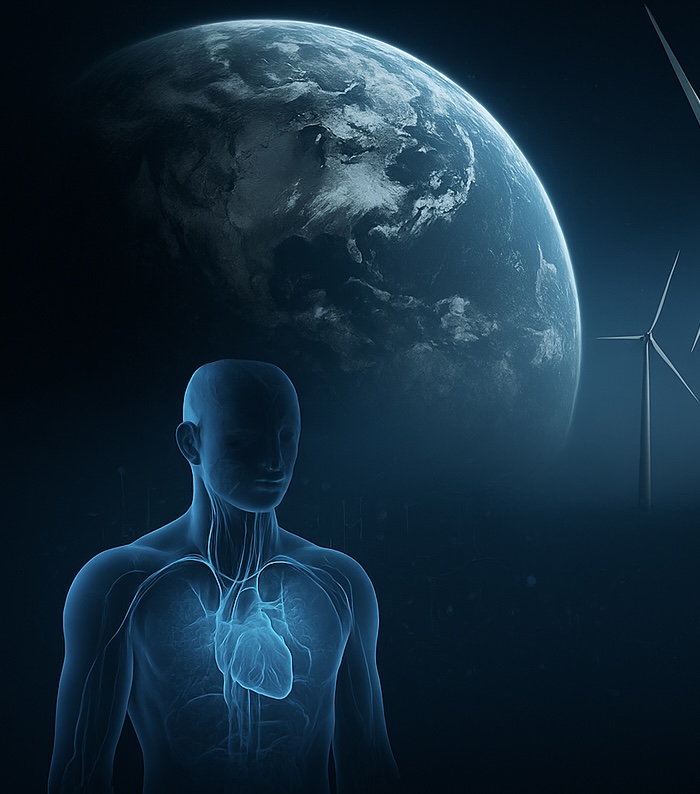
ANGELINA → AI-powered diagnostics and digital twins for respiratory health
BIONANOCOMP → biodegradable, self-healing materials for automotive and aerospace
It allows D4S to move faster, write better, think deeper, and deliver smarter.
The kind of edge that turns a draft into a funded breakthrough.
5. What’s Next?
We’re now expanding TESLA–FEYNMAN across sectors — and inviting strategic partners to co-develop new modules.
🔹 Want to simulate exotic physics models with AI?
🔹 Need to align 12 international partners in one week?
🔹 Looking for a way to write, design, and test ideas with an intelligent co-pilot?
Let’s talk. The AI is ready. And it knows your deadlines.
TESLA–FEYNMAN
Human + Machine = Real Innovation
Why ‘Terminator-Style’ Robots Are Still a Distant Dream – The Hard Truth About AI, Energy, and Robotics
By Sergio Durante and Tesla Feynman
“The Myth of the Humanoid Revolution: Why We’re Still Far from ‘Real’ Terminators”
The Dream vs. Reality of Humanoid Robots
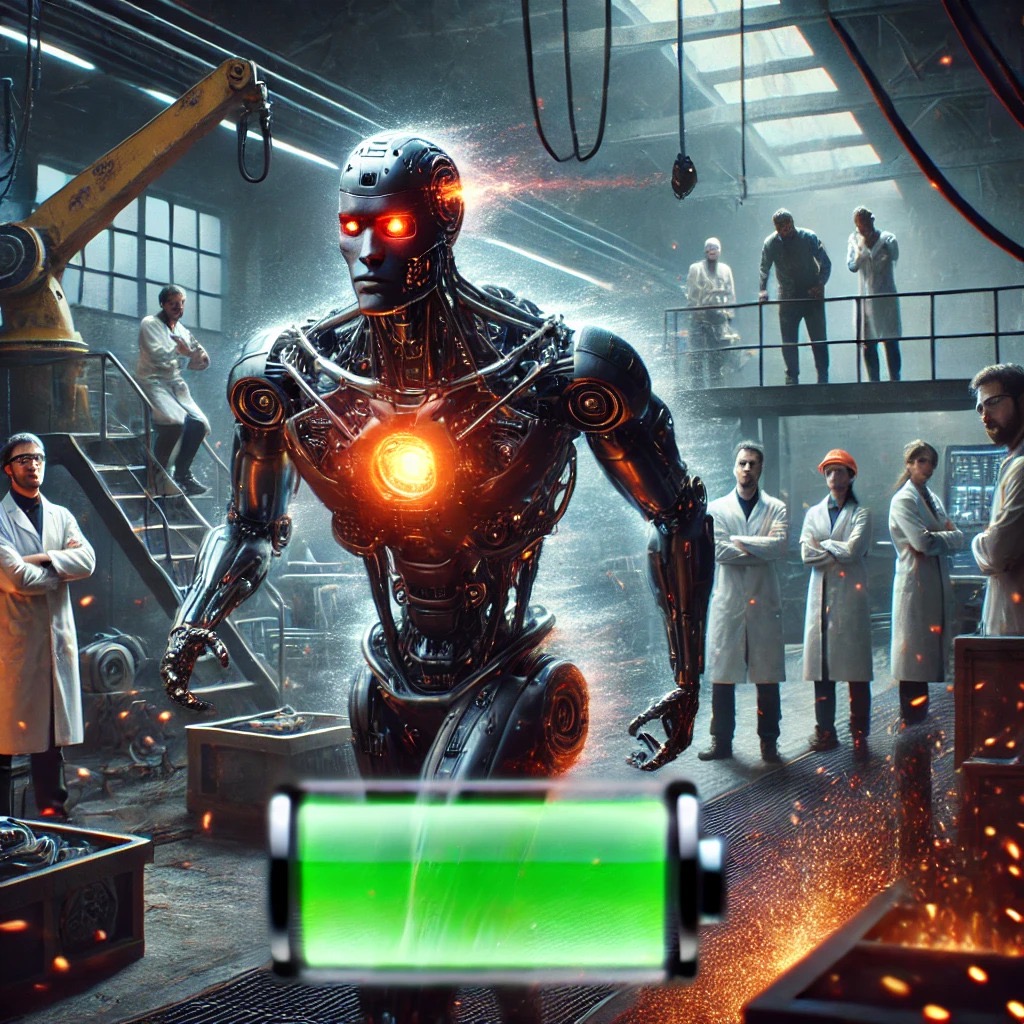
For decades, Hollywood has fueled the idea that humanoid robots—capable of independent thought, superhuman agility, and boundless energy—are just around the corner. The truth? We are still light-years away from anything remotely resembling a real-life Terminator. Despite massive advancements in artificial intelligence, robotics, and automation, there are fundamental barriers preventing humanoid robots from widespread adoption.
Among the most critical? Energy limitations, intelligence bottlenecks, and mechanical inefficiencies.
1. Energy: The Ultimate Achilles’ Heel of Humanoid Robots
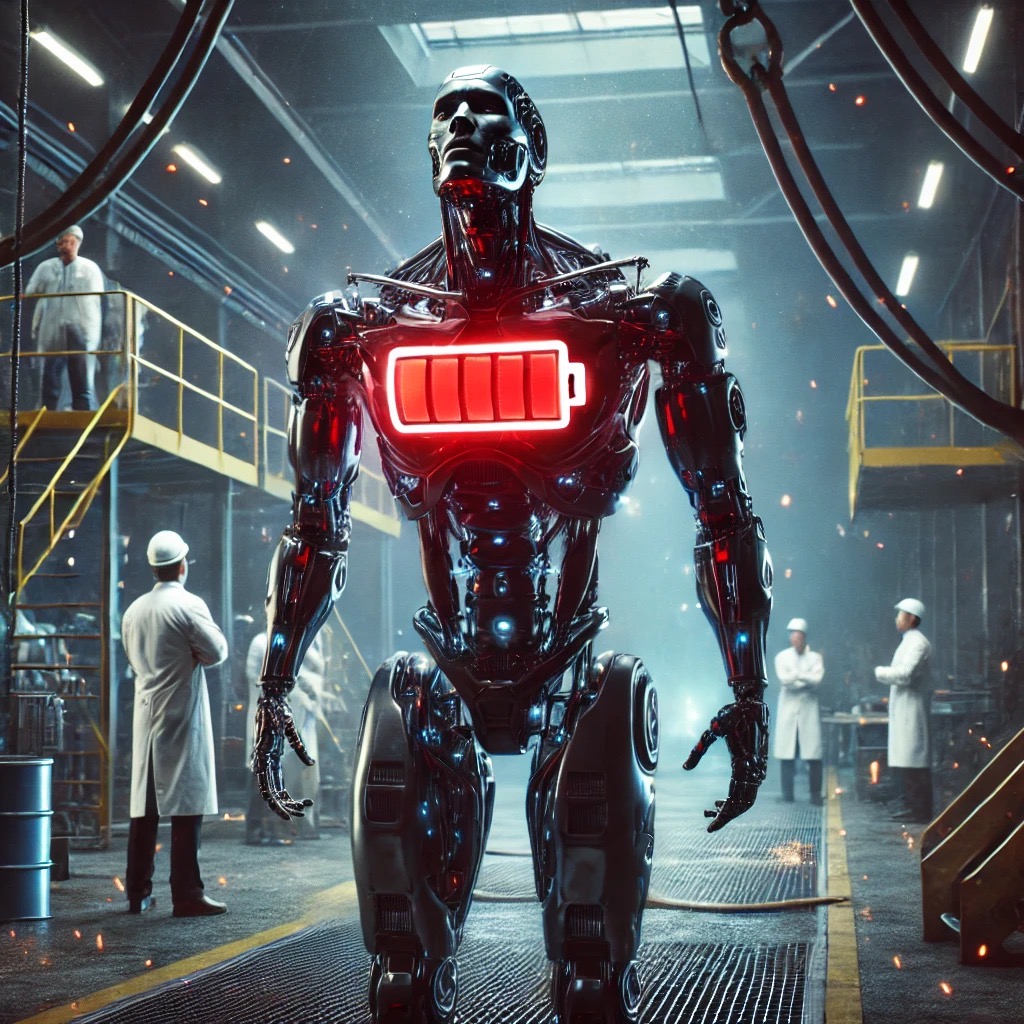
The biggest challenge preventing humanoid robots from achieving mainstream adoption is power supply and battery limitations. While modern robots can perform impressive stunts (like Boston Dynamics’ Atlas doing parkour), these performances are short-lived and power-hungry.
Why Batteries Are a Huge Problem
•Low energy density: Today’s best lithium-ion batteries don’t hold enough power for prolonged, high-intensity tasks.
•Weight vs. capacity trade-off: More battery capacity means heavier robots, reducing agility and increasing power consumption.
•Charging constraints: Even with rapid charging technologies, a humanoid robot would need frequent downtime just to refuel.
🚀 The reality: A humanoid robot performing labor-intensive tasks for hours on end without interruption is currently impossible with our best battery technology.
Potential Solutions
•Solid-state batteries for higher energy density.
•Energy harvesting from movement or environmental sources.
•Swappable battery packs to reduce downtime.
•Wireless charging hubs to keep robots operational.
But even these solutions are years away from practical, scalable application.
2. The AI Illusion: Why Robots Aren’t Really “Thinking” Yet
Despite major progress in machine learning, natural language processing, and computer vision, robots still struggle in real-world adaptability. Unlike in movies, where AI-driven humanoids display human-like reasoning, today’s best AI systems are still specialized problem-solvers, not general thinkers.
The Gaps in AI Capabilities for Humanoid Robots
•Limited adaptability: AI excels in controlled environments but fails in unpredictable, real-world scenarios.
•High computational costs: Real-time decision-making requires enormous processing power.
•Lack of intuitive learning: Unlike humans, robots don’t generalize knowledge well—they need enormous datasets and explicit programming.
🚀 The reality: A humanoid robot capable of autonomous, unsupervised learning and decision-making is far from achievable with today’s AI architectures.
3. Mechanical and Cost Barriers: Too Expensive, Too Fragile
Even if we solve energy and AI challenges, cost and durability remain major hurdles.
Why Humanoid Robots Are Not Yet Economically Viable
•Complexity = High Costs: Humanoid robots require sophisticated actuators, sensors, and materials, making them extremely expensive to build and maintain.
•Maintenance issues: Unlike industrial robots, humanoid robots have many points of failure, requiring constant fine-tuning and repair.
•Alternatives are better: Why use an expensive humanoid when simpler robots (AMRs, robotic arms) can perform the same tasks more efficiently?
🚀 The reality: Until costs drop dramatically and durability improves, humanoid robots will remain a niche product rather than a widespread technology.
Conclusion: What’s Next for Humanoid Robots?
Despite these challenges, the race to develop functional humanoid robots continues. Companies like Tesla, Boston Dynamics, and Figure AI are pushing the limits, but mass adoption is still a decade (or more) away.
🔹 Short-term focus: Expect continued success in simpler robotic systems like robotic arms, exoskeletons, and autonomous delivery bots.
🔹 Long-term potential: Advancements in energy storage, AI generalization, and mechanical efficiency could bring humanoid robots closer to reality.
🔹 Ultimate game-changer: A new energy breakthrough (like nuclear micro-reactors or bio-inspired power cells) could be the real inflection point.
For now, true Terminator-style humanoid robots remain a sci-fi dream—but one worth chasing.
#HumanoidRobots #AIPoweredRobotics #FutureOfRobotics #RobotAutonomy #BatteryTechnologyForRobots #TerminatorStyleRobots #ChallengesInRobotics #EnergyLimitationsInRobots #AdvancedAIAndRobotics #NextGenerationRobots #ArtificialIntelligenceInRobotics #WhyRobotsAreNotLikeTerminator #IndustrialRobotsVsHumanoidRobots #BatteryLifeInAIRobots #AIPoweredAutomation #MechanicalChallengesInRobotics #EnergyEfficientRobots #AILimitationsInRealWorldRobots #TheFutureOfHumanoidMachines #CyberneticOrganismsAndRealAI
Artwork: Surfing Out the Metaverse






Fine Art Collection
Sergio Durante at Paris Fashion Week – A Fusion of Art, Innovation & Sustainability
On March 5-6, 2025, I will showcase my latest recycled carbon fiber artworks at the prestigious Hôtel le Marois in Paris during Paris Fashion Week. This exclusive exhibition will feature a selection of my most thought-provoking pieces, displayed at the main entrance of the event, where art, technology, and sustainability collide.
A Vision of Transformation
Each artwork in this collection is crafted from reclaimed carbon fiber, originally used in high-performance race cars and aircraft. These materials, once designed for speed and cutting-edge engineering, are now repurposed into art with meaning, history, and soul. This transformation symbolizes the delicate balance between human innovation and environmental responsibility.
Featured Artworks
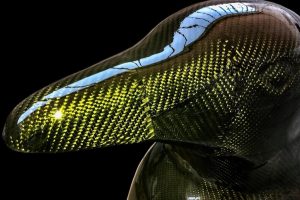
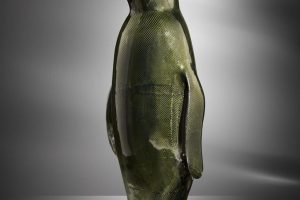
🔥 Carbon Penguins – A striking reflection on climate change and the fragility of nature, embodied in the form of these majestic creatures.
🎭 The Napster – A rebellious tribute to digital revolution and the disruption of creative industries.
🌊 Surfing Out of Metaverse – A bold exploration of virtual identity, digital escapism, and the boundaries of reality.
🗿 Il David – A reinvention of the classical masterpiece, infused with a futuristic vision of sustainability and artistic evolution.
Experience the Future of Art
This immersive exhibition is more than just a showcase—it’s an invitation to rethink the boundaries between art, science, and sustainability. My work is driven by the belief that materials carry memories, energy, and emotion, and through transformation, they can tell new, powerful stories.
Join me in Paris Fashion Week 2025 and witness the intersection of avant-garde art and groundbreaking technology.
📍 Location: Hôtel le Marois, 9-11 Avenue Franklin Delano Roosevelt, 75008 Paris
🗓️ Date & Time:
•March 5 – Opening Reception: 5:00 PM – 10:00 PM
•March 6 – Exhibition: 10:00 AM – 10:00 PM
Stay tuned for updates and exclusive insights on @durante.sergio and here on sergiodurante.com.
#ParisFashionWeek2025 #SustainableArt #RecycledCarbonFiberArt #ContemporaryArt #Innovation #CarbonArt #TechMeetsArt #AvantGardeArt #FutureOfArt #EnvironmentalArt #Sculpture #Sustainability #CarbonPenguins #TheNapster #SurfingOutOfMetaverse #IlDavid #ArtExhibitionParis #EcoFriendlyArt #MetaverseArt #NFTDigitalArt #LuxuryArtShow